
Q:Why is cracking pressure important for a check valve?
Cracking pressure is a critical parameter in check valves because it determines the minimum upstream pressure required for the valve to begin opening and allow flow. By defining exactly when the valve starts operating, cracking pressure plays a key role in ensuring proper system design, reliable performance under low or fluctuating pressures, protection of equipment from backflow or pressure shock, and overall efficiency of fluid control systems.
1. Defines When the Valve Starts to Work
Cracking pressure is the minimum upstream pressure required to slightly open the valve and allow fluid to start flowing.
If the system pressure does not reach this value, the valve remains closed — meaning no flow.
2. Prevents Unwanted Backflow
A properly selected cracking pressure ensures the valve closes securely when pressure drops, preventing reverse flow that could cause:
• Pump damage
• Water hammer
• Contamination or mixing of fluids
• System shutdowns
3. Ensures System Efficiency
• If the cracking pressure is too high, pumps need to work harder, increasing energy consumption.
If too low, the valve may flutter (open and close repeatedly), causing wear and unstable flow.
4. Protects Sensitive Equipment
Correct cracking pressure helps maintain stable pressure zones, especially in:
• Chemical dosing systems
• Cooling/heating loops
• Boiler feedwater lines
• Air or gas compressor systems
5. Affects Valve Selection & Sizing
Different check valve types (spring-loaded, dual plate, swing, diaphragm, etc.) have different cracking pressures. Engineers use this value to:
• Match valve performance to pipeline conditions
• Avoid cavitation or vibration
• Ensure smooth startup and shutdown
In Summary
| Reason | Why It Matters |
| Starts flow at the right time | Ensures the valve opens only when needed |
| Prevents backflow | Protects pumps, pipes, and process systems |
| Improves efficiency | Reduces energy loss and unnecessary pump load |
| Prevents valve damage | Avoids fluttering, vibration, or plate impact |
| Aids in valve selection | Ensures compatibility with system pressure and flow |
- Related Products
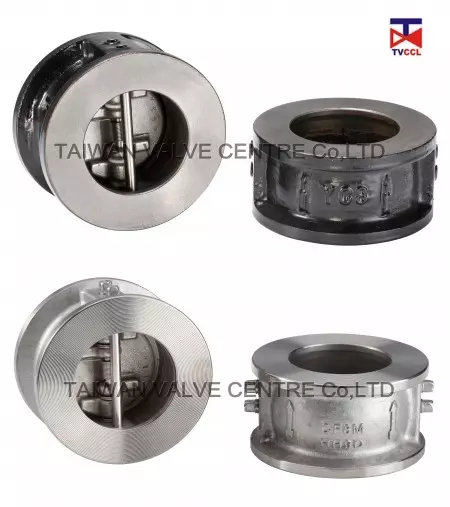
Dual Plate Wafer Type Check Valve
TC0
Fast Delivery: Most orders are shipped within 3-7 days, depending on stock availability. Versatile...
Details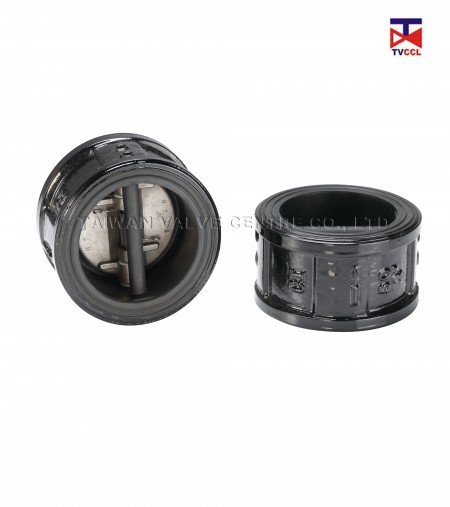
Dual Plate Wafer Type Check Valve with Full Rubber
TC1
Dual plate wafer type check valve with full rubber is usually used in seawater desalination...
Details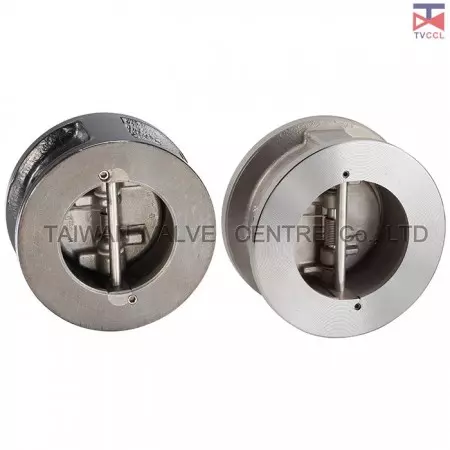
Dual Plate Wafer Type Check Valve With Retainerless
TC8
The dual disc check valve with its compact wafer design and low cost have made it a popular...
Details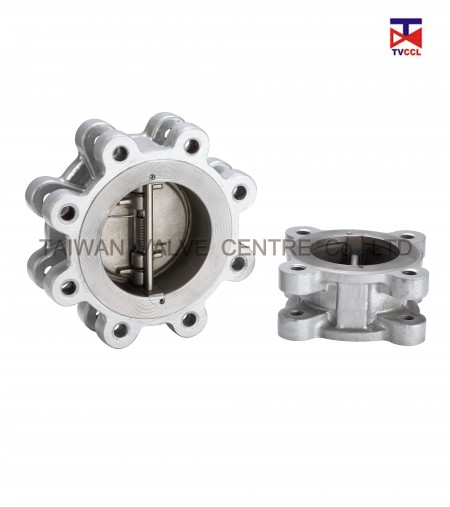
Dual Plate Lug Type Check Valve
TC6
Lug type double disc check valves typically feature multiple threaded bolt holes around the valve...
Details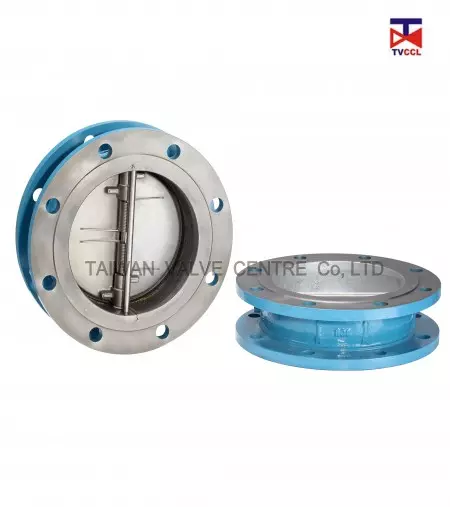
Dual Plate Flange Type Check Valve
TC4
Simplified Installation with Flange Type Design Unlike lug type check valves, flange type double...
Details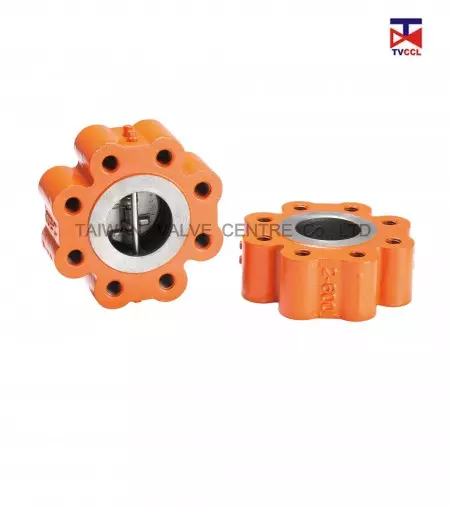
Dual Plate Full Lug Type Check Valve
TC9
Double disc lug type check valves are designed to ASME, JIS, ISO, AWWA...etc. specifications...
Details